




 Get access to over 1,300 articles and reader Q&As



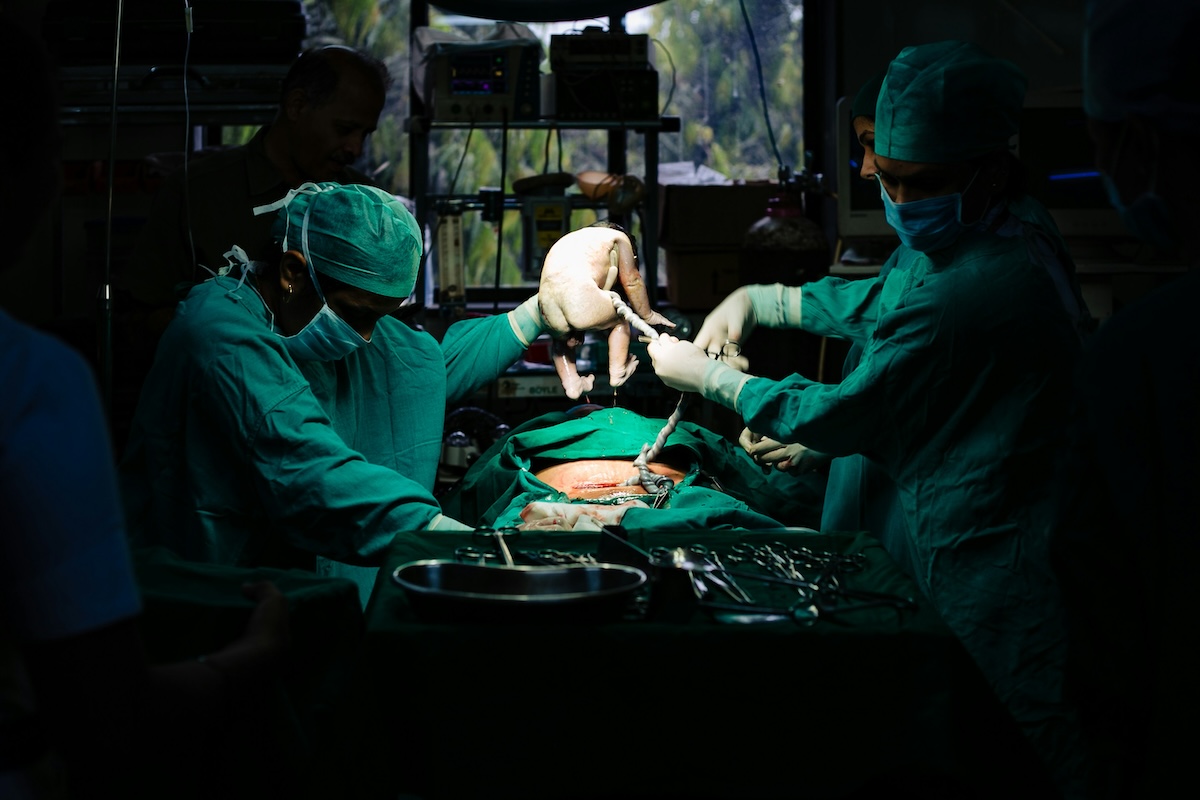
I’m currently recovering from a C-section, and I’ve gotten a lot of conflicting advice from family and friends about the best way to recover. Is there any data-driven advice about recovering from a Cesarean? How long is bed rest supposed to last? What’s the best way to treat my scar?
—Recovery Mode
It’s wonderful that your family and friends care so much and truly want to help! In the first few weeks after a C-section, extra hands are invaluable — helping carry the car seat, taking over household chores, or lending a hand when you need to change positions can make a big difference in protecting your surgical site.
However, contrary to what you might expect, bed rest after a cesarean isn’t recommended. Being active and mobile early by basically just doing what you normally would around the house, and perhaps going for short walks, is really important. It can help you avoid complications such as venous thromboembolism (VTE), which can occasionally lead to pulmonary embolism, a serious and life-threatening condition. Early activity also supports bowel function and helps prevent constipation or ileus, a temporary slowing of intestinal activity. Your care team may also recommend additional precautions — like medications or compression devices — if your clot risk is higher.
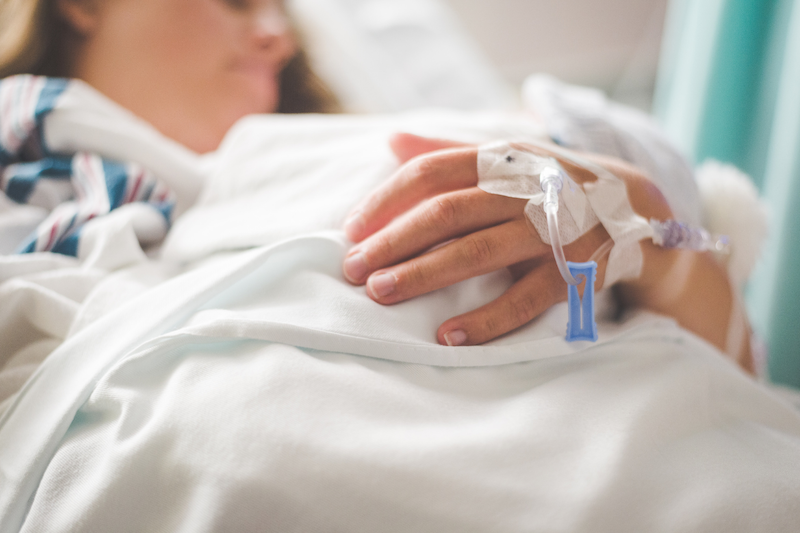
At the same time, you should avoid strenuous exercise and heavy lifting (more than 10 lbs.) that might aggravate your incision. A helpful guideline for activity is to stay at a level that keeps your pain less than 3 or 4 on a 10-point scale. If your pain climbs higher, it’s a sign to slow down, sit, rest, and let your body recover. Pain is your body’s way of telling you when to take a break — so if you’re sore by the end of the day, it’s time to rest, cuddle your baby, and accept help from loved ones.
Medication can help manage discomfort, especially in the first few days. Most people find regular doses of ibuprofen and acetaminophen (Tylenol) effective. Opioids such as oxycodone are usually reserved for continued severe pain not helped by these over-the-counter pain medications, taken sparingly to minimize side effects and the risk of dependence. Because of concerns about opioid use, many doctors and midwives now prescribe smaller amounts — often just enough for a few doses at home, with the option to reassess at your follow-up visit if pain persists.
When it comes to your cesarean incision, routine care is simple: keep the area clean and dry and watch for signs of infection, such as spreading redness, fever, or foul-smelling discharge. Some evidence suggests that scar massage or gentle soft-tissue mobilization may reduce adhesions and discomfort later on, but it should only be done after your doctor or midwife confirms the incision is fully healed — something you can ask about at your postpartum visit.
Remember, recovery is a gradual process, and everyone heals at their own pace! It’s important to listen to your body, pace yourself, and accept help from others so you can focus your energy on enjoying your new baby.
Community Guidelines






Log in
I just want to point out that these are the recommendations for a normal c-section with local anesthesia. An emergency c-section with general anesthesia (which is, I believe, fairly rare, maybe less than 1% of c-sections?) will come with different recommendations! (I wish that someone had explained that to me, because after my emergency c-section, I kept wondering why I was so wimpy and affected by my surgery when friends weren’t!)