






The popular weight-loss medications semaglutide (Ozempic/Wegovy) and tirzepatide (Mounjaro/Zepbound) are synthetic versions of a hormone we all have in our body called GLP-1. Since GLP-1 was first discovered in the venom of gila monsters — poisonous lizards native to my home state, Arizona — and found to lower human blood sugar levels and aid in weight loss, researchers have worked to understand the complex role the hormone plays in humans and how levels of it might differ among people with Type 2 diabetes or obesity.
The research published this summer looked at blood levels of GLP-1 in two groups of people: those at risk for developing diabetes and those newly diagnosed with diabetes. The participants could not be taking a GLP-1 agonist like Ozempic, because researchers wanted to be sure they were measuring only the GLP-1 the participants’ bodies were making. While there are previous studies looking at GLP-1 levels in study subjects after eating, GLP-1 levels after fasting are not well understood.
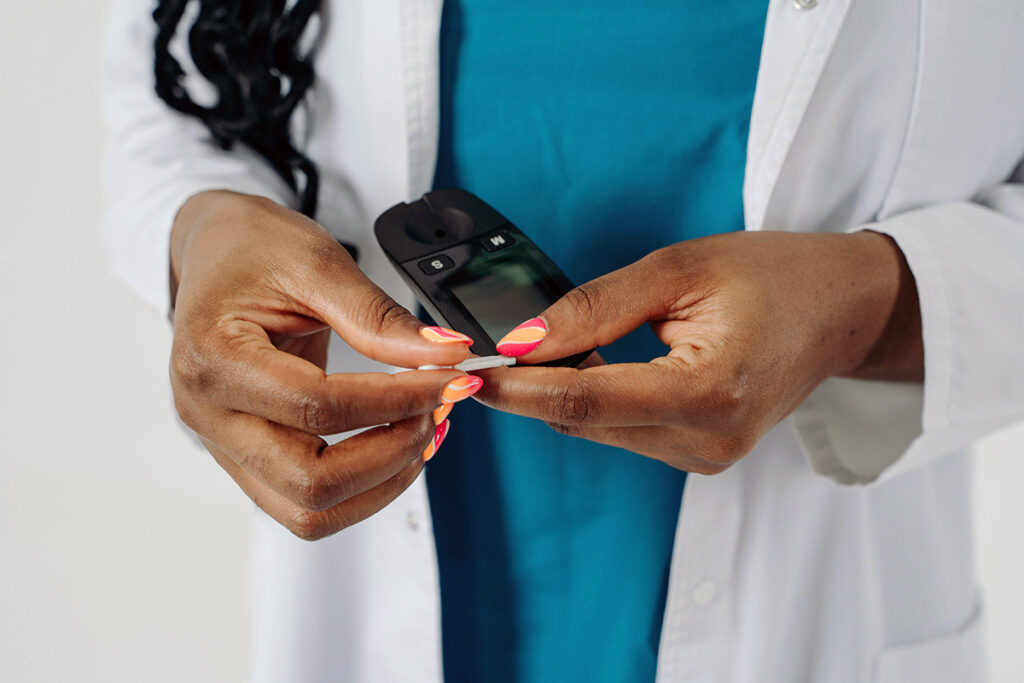
Data from nearly 3,000 participants showed that GLP-1 levels after fasting increased as participants’ blood sugar metabolism worsened — progressing from insulin resistance to prediabetes to Type 2 diabetes. Fasting GLP-1 levels were also increased in participants with more body fat and more liver fat. Additionally, they were higher in participants with worse diet quality and increased alcohol consumption. However, the rise in GLP-1 after eating was significantly smaller in participants with Type 2 diabetes, more body fat, and more liver fat.
These results run counter to what we would expect, given how effective GLP-1 agonists have been in treating insulin resistance, prediabetes, and Type 2 diabetes, as well as obesity. If giving a GLP-1 agonist to people with blood sugar issues or obesity improved their metabolic function, we would expect that people with those diseases would make less of their own GLP-1. How can we explain that when they are fasting, they make more GLP-1?
We aren’t quite sure. However, the answer may lie in the fact that, while people with Type 2 diabetes and obesity have more GLP-1 when fasting, they don’t increase their GLP-1 levels as much after eating.
A study like this one is interesting to me in that it points out how much we don’t know and suggests many questions to explore in future studies. Clearly there is more research to be done, but understanding the GLP-1 our bodies make may hold important clues as to why some people develop Type 2 diabetes and obesity that could in time allow us to prevent disease rather than treating it after it has already occurred.
Community Guidelines









Log in