




 Get access to over 1,300 articles and reader Q&As


What are the best or quickest ways to get rid of diaper rash? My poor baby has been miserable for the last day or so. What’s the difference between rash treatments? There are so many different ones! Also, when does a rash become severe enough to warrant a visit to our pediatrician?
—Rash Begone
Diaper rashes are quite common and generally caused by the diaper area being warm, wet, and less aerated. To prevent them, you’ll want to keep the area dry when possible. Allow the baby to have some bare booty time to promote ventilation and, importantly, you should always change diapers when they’re wet — even though diapers are quite absorbent, this step is important to reduce the humidity of the area and rashes. Using a diaper ointment — such as Aquaphor, A&D, and vaseline — as a preventive strategy is also great, as it protects the skin.
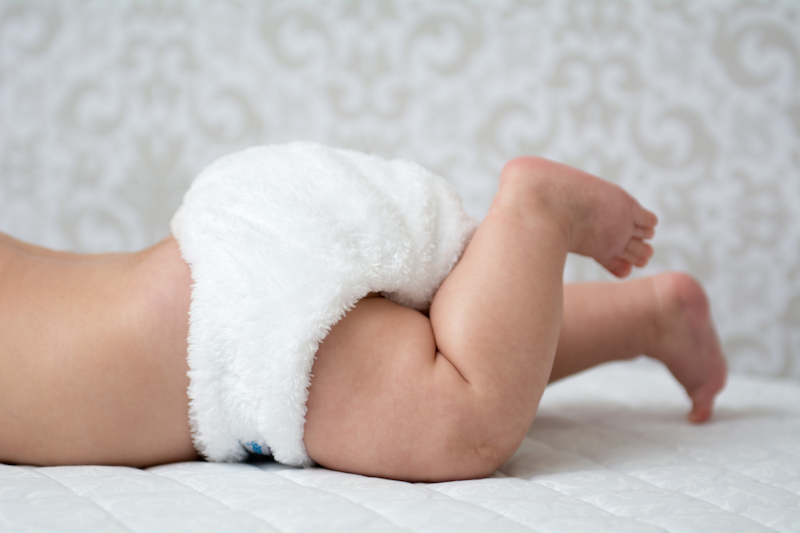
If you need to treat diaper rash rather than prevent it, picking a stronger barrier cream with 20% zinc, such as a triple paste or the purple Desitin cream, will help. These creams are safe and can be used preventively as well. Many find a good option is to use them on the diaper changes before longer periods with the diaper on — before naps, overnight, or when cleaning thoroughly after a bowel movement. Using these more frequently, every change, in the first two months is particularly helpful.
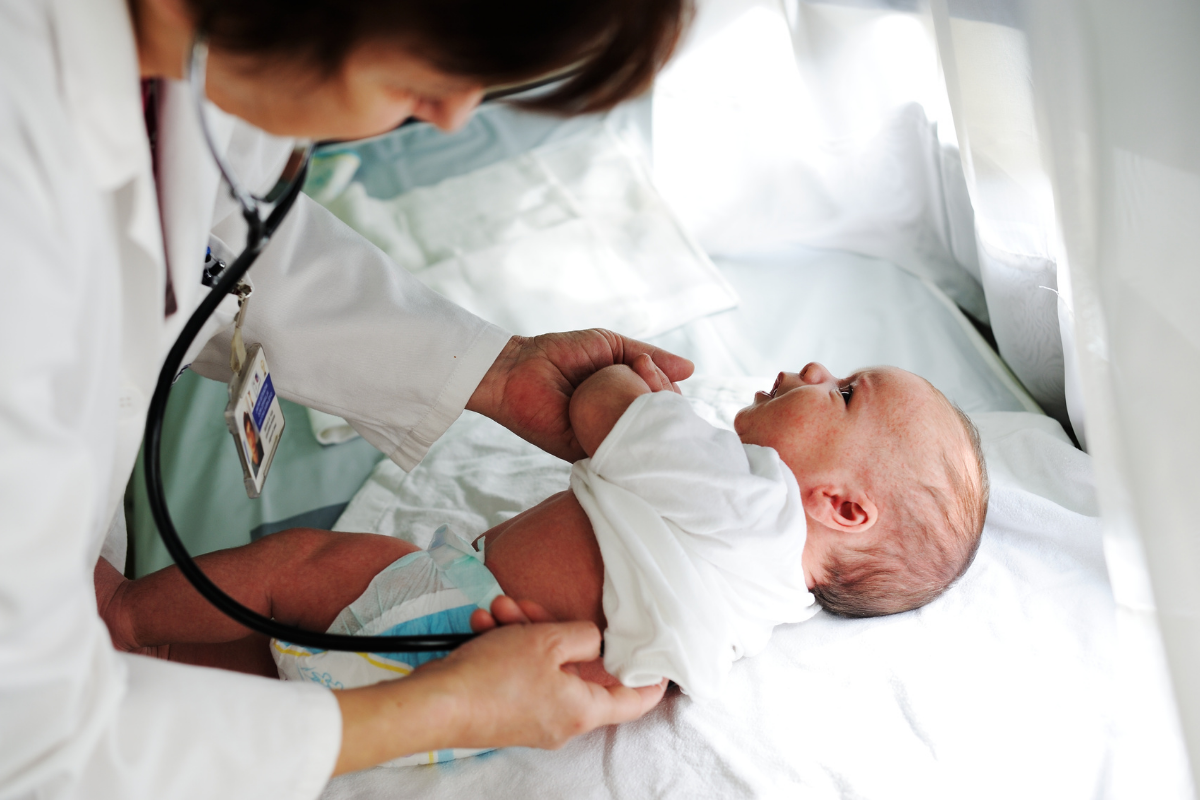
The trick to treating the rash isn’t so much picking the right cream as using the correct quantity. I often advise parents to frost the baby’s bottom like it’s a cupcake with a real thick amount of diaper cream. If you allow this to dry a bit before putting the diaper back on, often the rash will go away within 24-48 hours. If the rash is continuing to worsen despite this or if it seems painful, I’d recommend seeing your pediatrician.
Sometimes, diaper rashes can be due to a yeast such as Candida and require a prescription for nystatin ointment, a topical antifungal. Yeasts are ubiquitous in our environment, like what causes bread to mold or wet laundry to smell if left in the washer. Anywhere that is warm and wet can develop an overgrowth of yeast. A telltale sign of fungal diaper rashes is circles of red, inflamed skin that we call satellite lesions extending out. Most fungal infections clear quickly with the appropriate treatment.
Also, diaper rash can be something of a misnomer. Even after you potty train, keeping those diaper creams on hand can help when your toddlers and young children are mastering hygiene or spending a lot of time in the pool. Similarly, the same type of irritation from humidity and warmth that causes diaper rashes can also cause irritation in skin folds, such as those on the neck or thighs, and some of those preventive ointments can help there too!
Community Guidelines






Log in