




 Get access to over 1,300 articles and reader Q&As



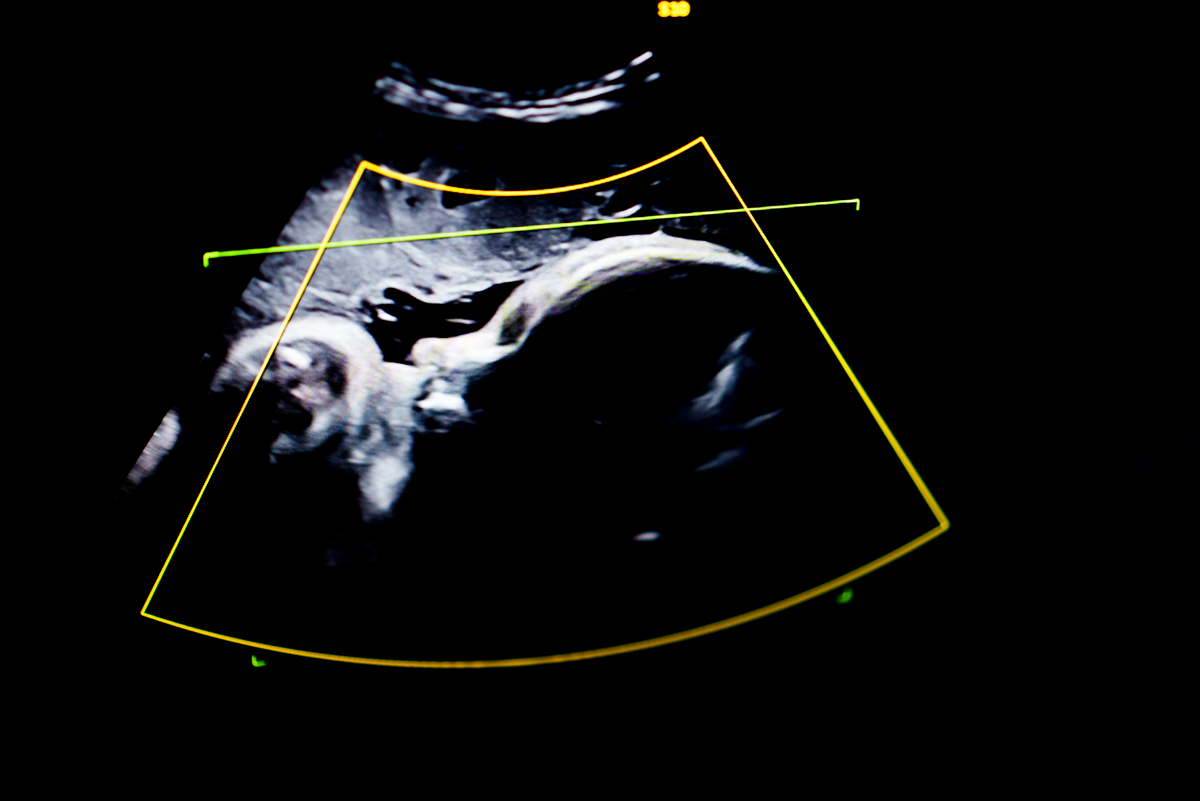
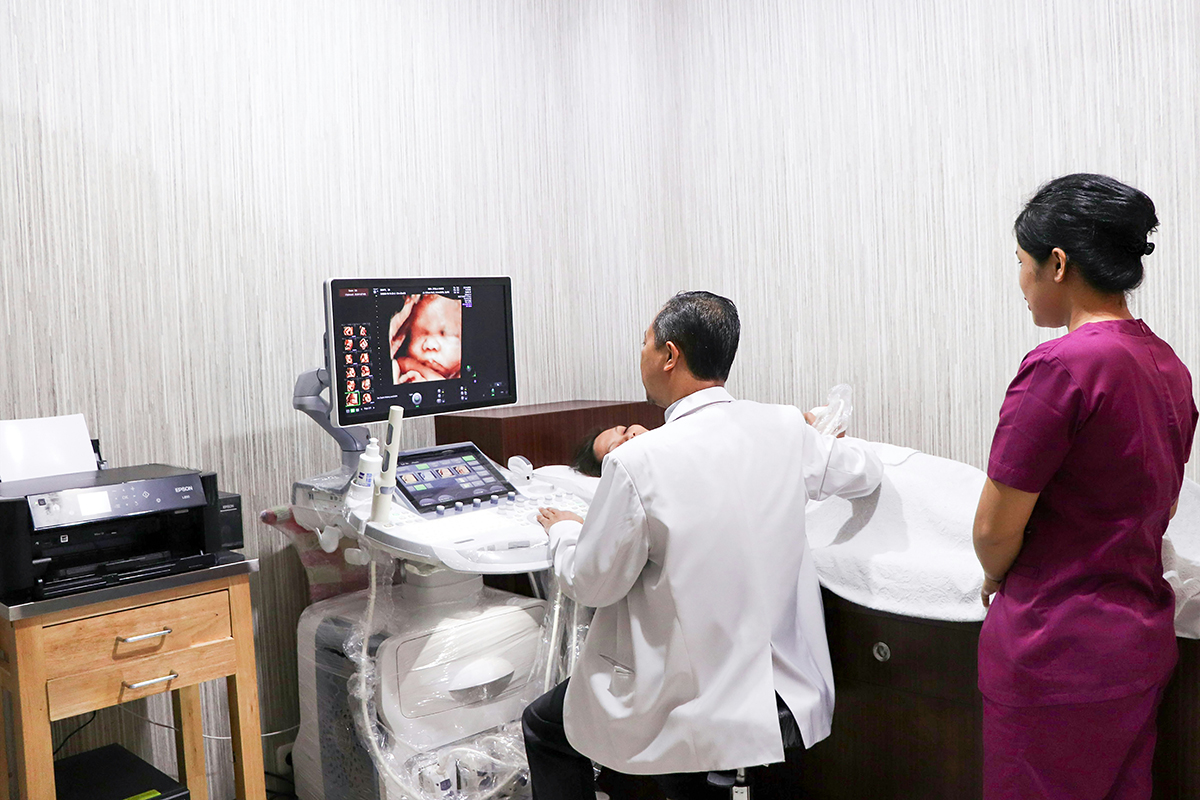
Do you or your network have advice for parents dealing with clubfoot? At our 20-week ultrasound, we found out our first baby will be born with a moderate right clubfoot and are looking for data and advice to help us navigate the process. Thank you!
—Clubfoot Mom
I’m very much hoping the comment section here will provide some support and advice from those who have been in this position before. An estimated 1 to 3 in 1,000 live births have this condition, meaning you are not alone.
In terms of navigation, there are two key discussions to have with your provider — one now and one later.
For now: Most cases of clubfoot are “idiopathic,” meaning they do not have an underlying genetic or systemic cause. But there are some genetic conditions that increase the risk of clubfoot, and a first discussion you should have with your provider is about what additional testing you might consider. For some families, they do not want any more testing. But for others, genetic screening may provide answers and reassurance. This is a conversation for now.
For later: In most cases, some postnatal treatment is encouraged. This ranges from taping and casting to surgery. Getting a plan in place beforehand with a care team, who can evaluate the need for further care once the baby arrives, is a good way to stay ahead of things.
Community Guidelines




Log in
Even though I’m far too late to be helpful to the original question-asker, I stumbled across this question and wanted to share my experience with anyone who may experience this and find this question in the future. My son is 3 months old and was diagnosed with bilateral clubfoot (meaning it affects both of his feet) at his 20 week ultrasound. The biggest thing you need to know is that everything will be okay! Clubfoot is a condition with a successful treatment methodology, and my son is a happy and active baby and has put up with the treatment like a champion. Orthopedic doctors agree that the best evidence-based treatment for clubfoot is the Ponseti method, developed at the University of Iowa. While there’s nothing to do before birth in terms of treatment, spend the time before birth finding an orthopedic doctor who is trained in the Ponseti method and has treated many cases of clubfoot before. My son’s treatment began at 2 weeks, so we were glad we had found a doctor and done an optional prenatal consultation so we knew what to expect before the newborn exhaustion started. For a typical case of clubfoot, the treatment will most likely include a series of 6-8 casts that slowly move the feet (or foot) into the correct position, a tenotomy (small procedure to make a tiny cut that releases the Achilles tendon), and a brace worn 23-hours per day for 12 weeks, then weaned off until only worn at night until age 4. It sounds like a lot, and sometimes it is, but you really do get used to it, and when done correctly, it works! In the past, they did surgery to correct clubfeet, but it caused frequent recurrence. With the Ponseti method, the only surgical component is the tenotomy (which my son had with only local anesthetic and recovered from with about 24-hours of baby Tylenol), and the success rate is extremely high. We are currently in the phase of wearing a brace for 23-hours per day, and we are amazed by how typical his feet look. The biggest challenges so far have been: 1) The frequency of the casting appointments. The casts are changed about once per week, which for us meant a 45 min drive there and back with a newborn. It wasn’t easy, but we got through it, and he got super good at sleeping in the car. We are in a suburb of a major U.S. city, so I do know this can be more stressful for those who don’t live as close to a Ponseti-trained doctor. 2) Our baby was sometimes fussy his first day in a new set of casts and was super fussy the first four days in his brace. But he quickly got used to everything, and the fussiness always passed. I was worried he might have delayed milestones, but actually he is rolling early because he learned to use the brace as a rolling tool. There’s a lot to learn with clubfoot, but your baby will be okay!