






Zika is a mosquito-borne virus. It does not cause serious symptoms in adults or children. However, infection with Zika during pregnancy can cause birth defects, notably microcephaly. Microcephaly is a condition in which a baby’s head is smaller than expected, typically resulting in cognitive impairment.
In 2016, there was a significant Zika outbreak in South America, the Caribbean, and parts of the U.S. (Florida and Texas). During this period, there was a large increase in microcephaly cases in a number of areas (Brazil in particular). Once the outbreak and its complications were recognized, pregnant women or couples planning pregnancy were advised not to travel to affected locations.
Since 2016, there hasn’t been much in the news about it. But it’s still very much on the mind of pregnant people (or people who are trying to conceive), and the official recommendations about travel are murky at best.
I actually answer questions about travel to places that previously had a Zika outbreak with some frequency on Instagram; the 15-second version of it is “this is not a concern right now.” But below, I’ll dive a bit deeper into a slightly longer explanation of why.
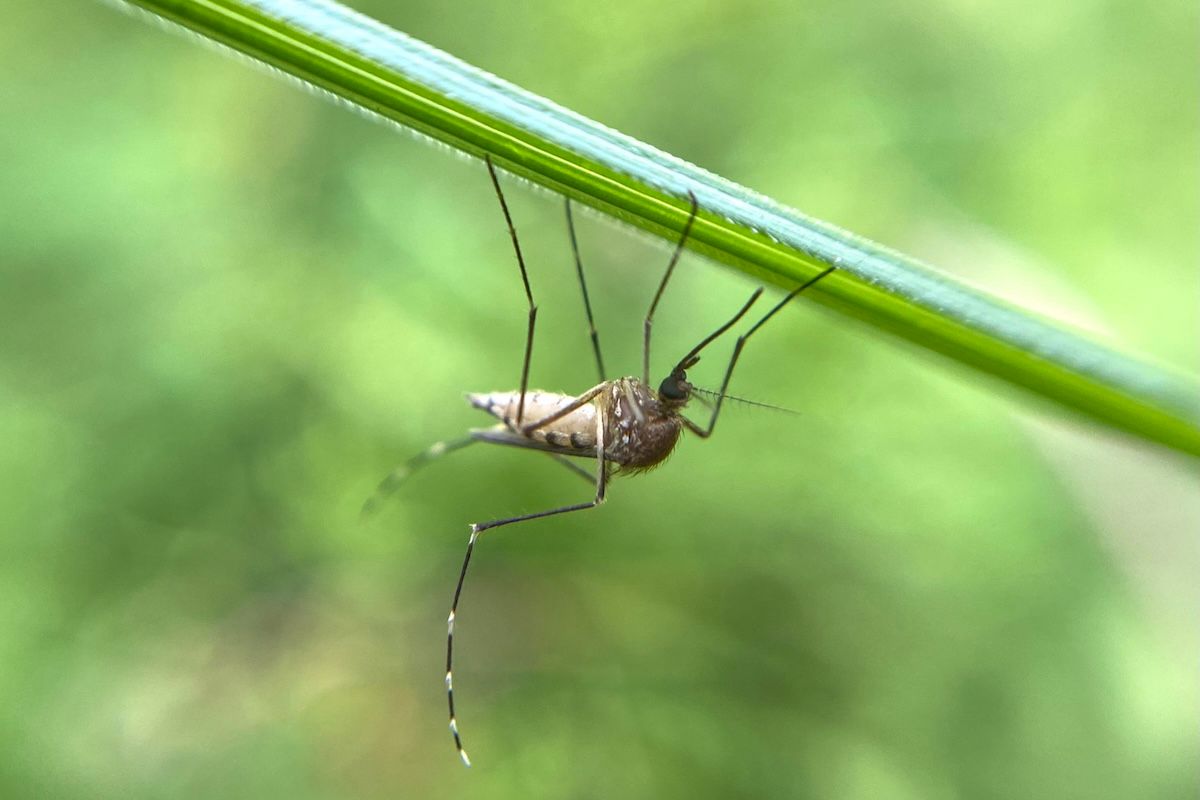
Where are there current Zika outbreaks?
Zika is an outbreak-driven disease. In 2017, the outbreak subsided. The table below shows the number of Zika cases the CDC reported over time — it separates out those that were locally acquired in the U.S., those identified in the U.S. and associated with travel, and those in the U.S. territories (Puerto Rico, the U.S. Virgin Islands).
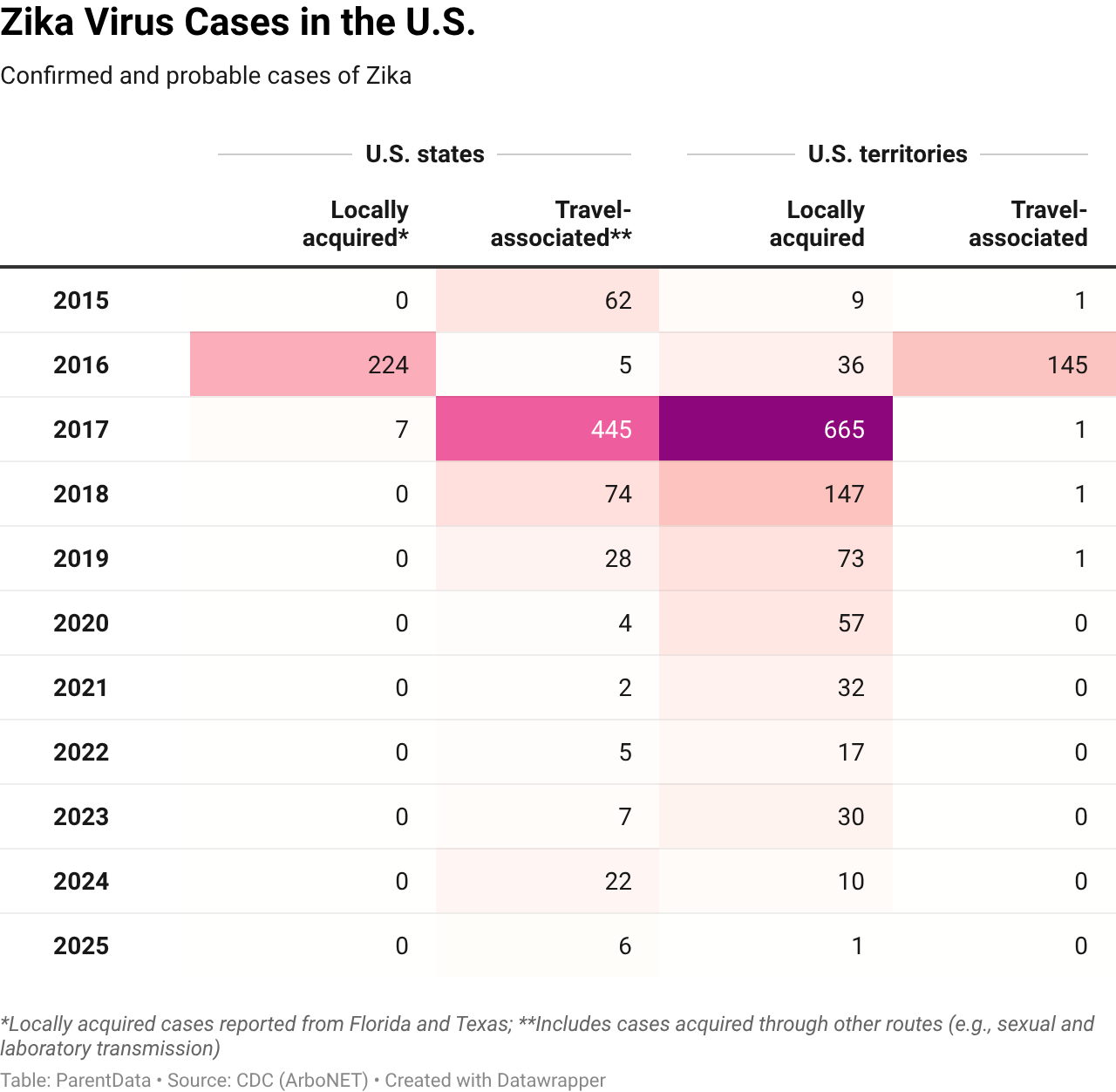
What you will note in this table is that after the 2016–2017 outbreak, there have been no locally spread cases in the U.S., very limited travel-acquired cases, and also rapidly declining cases in the U.S. territories. In the notes to this table, the CDC also explains that many of the cases identified in 2020 in U.S. territories are a result of antibody testing, meaning they may well be people who were infected in the past. The agency has not seen any confirmed disease in these areas since 2019.
Do we expect a future outbreak of Zika? It seems likely we’ll see one at some point, yes. We do not expect an eradication of the virus; new hosts become available, and this perpetuates it. Zika cases are still occurring worldwide, and that makes an outbreak possible (indeed, there was one in India in 2021). When such an outbreak might occur in the Americas is not clear. What does seem clear is that it is not now.
Why are travel recommendations so confusing?
This is all very reassuring, but what I think trips people up is that if you visit the CDC travel advisory page, there is a color-coded map and some advice.
- For pregnant women, prevent mosquito bites during and after travel.
- For women planning pregnancy, consult with their doctor, prevent mosquito bites, and wait two months after returning before becoming pregnant.
- For men with a pregnant partner, prevent mosquito bites during and after travel. Also, use condoms or do not have sex for the rest of pregnancy.
- For men with a partner planning pregnancy, prevent mosquito bites and use condoms or do not have sex for three months after travel.
I can see why, on reading these, people would be concerned. If I were planning a pregnancy, not having sex for two (for women) or three (for men) months is problematic. While avoiding sex during pregnancy is less practically problematic, it’s annoying because sex is fun.
What is fundamentally confusing about these guidelines is that most of the U.S. is also purple. The only exceptions are some high-elevation areas, because they do not have the relevant kind of mosquitoes.
This is a good example of where probably well-meaning advice goes a bit haywire. Someone following this advice strictly would not try to get pregnant at all unless they had been living for at least three months in, say, Boulder, Colorado. Living in New York? Sorry, you’re in a perpetual three-month waiting game for Zika clearance. This is true despite four years in which there have been no Zika cases spread in the U.S. and the fact that even in 2016, the only cases spread were in Texas and Florida.
I do not think the CDC intends to suggest this course of action, obviously. Messaging is always hard. In the midst of a Zika outbreak, it would absolutely make sense to avoid travel while pregnant or planning pregnancy.
However, we are not in the midst of such an outbreak and haven’t been for several years. This should not be at the top (or even the bottom) of your concern list when planning your honeymoon or babymoon to St. Thomas.
The bottom line
- Zika is a mosquito-borne virus that can cause birth defects (microcephaly) if contracted during pregnancy.
- There was a major outbreak in 2016–2017, but cases have dropped dramatically since, and there have been no locally spread U.S. cases since 2017.
- CDC travel guidelines are overly cautious and too broad (e.g., they include warnings for most of the U.S. despite no active transmission).
- Zika is not a current concern for most pregnant people or those planning pregnancy.










To continue, an upgrade is required. Would you like to upgrade your plan now?