






I had been taking care of a particular patient for more than 10 years when she told me during an unexpected follow-up visit that she had been diagnosed with gestational diabetes (GDM). I wasn’t entirely surprised. When she began seeing me right after college, she was struggling to get a hold on symptoms caused by polyendocrine metabolic ovarian syndrome (PMOS, formerly known as PCOS). But for much of the past 10 years, her symptoms were well managed with birth control pills and a low-carbohydrate diet.
She was frustrated nonetheless. Once I reassured her that there was nothing she could have done to prevent this outcome, we set about making a plan to manage her blood sugars through the rest of her pregnancy.
I always approach newly diagnosed GDM in the same way: by reassuring the pregnant person that they have done nothing wrong, getting clear on our goals — a healthy mom and baby — and reminding everyone that most likely blood sugars will magically return to normal immediately after delivery.
Below, I’ll break down what gestational diabetes means, how doctors test for it, and what you can expect if you’re diagnosed.

How does the glucose test work?
The goal of glucose testing is to stress your pancreas to see if it can meet your body’s needs late in pregnancy. The pregnant person is given a specific amount of glucose in a form that will get rapidly absorbed into the blood — usually as a drink, though you can also use jelly beans. As the sugar levels in the blood rise, the pancreas responds by making and releasing insulin.
If the pancreas can make enough insulin, your blood sugar will rise as the glucose gets absorbed into your blood and fall quickly as the insulin signals to your liver, muscles, and fat to take up the sugar and store it for later. If the pancreas can’t make enough insulin, your blood sugar will rise as the glucose gets absorbed, but it will stay high for much longer. Without enough insulin, the liver, muscles, and fat can’t take up and store the sugar quickly, so it lingers in the blood.
Many people want to know if there is a way to “beat” the test. And while eating foods very high in simple carbohydrates just before the test might raise your blood sugar enough to contribute to failing the test, the test is designed to efficiently raise a pregnant person’s blood sugar under any circumstances. I know no one wants GDM, but I would argue that if you do have GDM, it is important to know that. Appropriately treating GDM will help keep you and your baby healthy though the rest of your pregnancy.
Why do some pregnant people get gestational diabetes?
Beginning in the second trimester, the placenta begins making hormones that make the mother’s body less responsive to the insulin her pancreas makes. This makes more of the sugar in the mother’s blood available to the growing fetus. As pregnancy progresses, the fetus grows larger and needs more and more sugar to continue growing and developing. To meet this demand, the placenta makes more of the hormones, and the mother becomes more insulin resistant.
In most cases, the pancreas responds by making more insulin to keep the blood sugar in a healthy range. But in pregnant people with a predisposition to insulin resistance, the pancreas isn’t able to keep making more insulin. When they consume a lot of sugar (like the ultra-sweet glucola drink used in the test), their pancreas can’t make enough insulin to keep their blood sugar normal, and blood sugars rise above the levels considered safe in pregnancy.
In 2021 GDM was diagnosed in about 8% of pregnancies in the U.S., and the incidence of GDM in the U.S. is increasing. The risk for GDM increases with age and with each pregnancy. Additionally, those at increased risk of developing GDM include:
- Women with a family history of Type 2 diabetes or GDM
- Women who have had GDM in a previous pregnancy
- Women with overweight and obesity
- Women diagnosed with polyendocrine metabolic ovarian syndrome
- Women of color
- Women who smoke
It’s worth pointing out that most of these risk factors are not within your control. Gestational diabetes is not a sign that the mother has done anything wrong before or during pregnancy. Instead, it’s a sign that the body isn’t able to meet the demands of pregnancy the way we would like it to.
Why is screening important?
If left untreated GDM increases a woman’s risk of developing pregnancy complications, including high blood pressure, preeclampsia, preterm delivery, and fetal distress and demise. Babies born to mothers with uncontrolled blood sugars during pregnancy can be large and may develop low blood sugars in the hours and days after birth.
Keeping a pregnant person’s blood sugars in the typical pregnancy range with diet changes, activity, and medications when needed significantly reduces the risk of all the pregnancy complications associated with GDM. As a result, guidelines from the American College of Obstetricians and Gynecologists recommend that we screen all pregnant people for GDM between 24 and 28 weeks of pregnancy. If the screening test suggests GDM, the patient is typically given a longer three-hour test, called an oral glucose tolerance test, before being diagnosed with GDM.
Treating gestational diabetes
My first step in helping a pregnant person manage GDM is to have them measure their blood sugars. As my patient pointed out, most pregnant people aren’t guzzling super sugary drinks all day long. They are eating a combination of protein, carbohydrates, and fats.
While it’s the carbs that raise blood sugars, the type of carb and what you eat it with will affect how high your blood sugar rises. Sugary drinks like the glucola used to test for GDM, consumed alone, will spike the blood sugar much more than a slice of whole-grain toast and peanut butter. The goal of checking blood sugars is to understand how a particular person’s blood sugars respond when they are fasting and when they have eaten different foods.
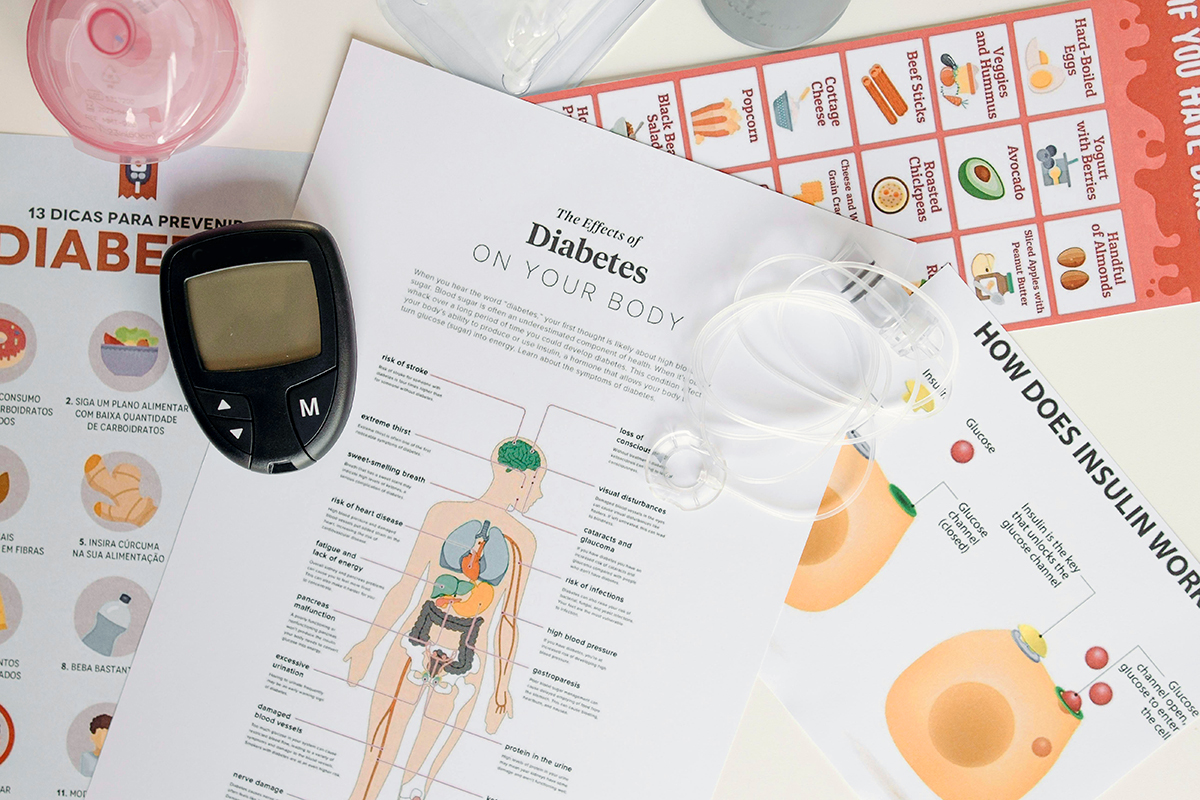
The most recent guidelines were published in 2018 and still recommend using fingersticks and a glucometer to monitor blood sugar during fasting and one to two hours after meals. However, in December 2022, the FDA approved the Dexcom G7 continuous glucose monitor for use in pregnant women. I have used both methods with my patients, depending on what they and their obstetrician are comfortable using.
I, like most doctors, will try to help my patients manage their blood sugar with diet and lifestyle changes first. Pairing high-fiber carbohydrates with proteins and fats and avoiding simple carbohydrates and refined sugar are often helpful. Physical activity, like taking a walk after eating, can keep blood sugars in check. And sometimes eating a snack of carb, protein, and fat before bed (peanut butter and crackers is the classic example) can help keep fasting blood sugars at goal.
Sometimes, despite our best efforts, blood sugars continue to rise. Again, this is not because the mother is doing anything wrong. It is because the placenta is churning out hormones as the third trimester progresses. In fact, I encourage my patients to see this as a positive sign that the placenta is healthy and functioning well.
In these cases, medication is needed to keep blood sugars under control. While some doctors will use oral medications like metformin or glyburide to treat GDM, I always prescribe insulin. ACOG, the American Diabetes Association, and the Endocrine Society all recommend using insulin. Additionally, insulin doesn’t cross the placenta, while oral medications like metformin and glyburide do (although they are thought to be safe in pregnancy as well).
Insulin has the added benefit of being endlessly flexible. If a woman only has high fasting blood sugars, they can be treated with a single injection of insulin that lasts for about eight hours. If blood sugars only shoot up after eating at a certain time of day or with certain meals, a short-acting insulin will do the trick. Plus, there is no maximum dose of insulin. You can take as much insulin as you need to keep blood sugars at goal. By the end of pregnancy, hormones from the placenta can make some pregnant people so insulin resistant that they need high doses of insulin, so the ability to give as much as is needed is key.
Managing gestational diabetes during and after delivery
Obstetricians often recommend that people with GDM deliver at 39 weeks or, in some cases, a bit earlier. But once you make it to the hospital, you don’t need to worry about managing your diabetes anymore. Labor and delivery units have specific protocols for checking and treating a pregnant person’s blood sugars.
Once the placenta is delivered, blood sugars typically rapidly return to normal. You can return to your typical diet as soon as your doctor gives you the OK to eat. Your doctor may or may not ask to have your blood sugar checked while you are in the hospital postpartum. And once you return home, you don’t need to check your blood sugars. Your baby will be monitored closely to make sure their blood sugar remains normal.
While most people don’t continue to have diabetes immediately after delivery, the risk of developing Type 2 diabetes later in life is high. Data suggests that women diagnosed with GDM have a tenfold increased risk of developing Type 2 diabetes within five years. Guidelines recommend that pregnant people are screened with an oral glucose tolerance test six to eight weeks postpartum and once a year after that. But as few as 23% of them actually have these tests performed.
Developing Type 2 diabetes is not inevitable, though. There are a lot of options for staying healthy despite this risk. Both diet and lifestyle change and metformin have been shown to reduce the risk of developing Type 2 diabetes among women with a history of GDM. Additionally, in people with overweight or obesity and prediabetes, GLP-1 receptor agonists like semaglutide (Wegovy) and tirzapatide (Zepbound) have been shown to reduce the risk of progressing from prediabetes to diabetes. All of these interventions are most effective when they are started early. So it’s important to share your history of GDM with all your doctors.
The bottom line
- Getting a diagnosis of gestational diabetes (GDM) can be anxiety provoking, but it’s not something you can control. Pregnancy hormones increase the need for insulin, and sometimes the pancreas just can’t keep up.
- If you are diagnosed with GDM, you should monitor your blood sugars regularly. Either a glucometer or a continuous glucose monitor can work depending on patient and doctor preferences.
- Many pregnant people can manage blood sugars with diet and exercise, but others will need medications. Insulin is the preferred treatment because it can be used flexibly and there is no maximum dose.
- People with a history of GDM are at high risk of developing Type 2 diabetes later in life. As a result, they should be monitored closely. Lifestyle modifications and medications have been shown to reduce this risk.








Log in