






Do you have any data on weight loss, “ideal” weight, fertility, and getting pregnant?
—Kate
First things first: when we talk about weight (around fertility or anything else), we can get fixated on metrics like BMI. BMI is almost never helpful on its own. It’s not intended as a measure of health, and at an individual level, it’s much more useful to focus on a broader sense of metabolic health. Not just weight but true measures of health: ability to exercise, diabetes, or heart disease, etc.
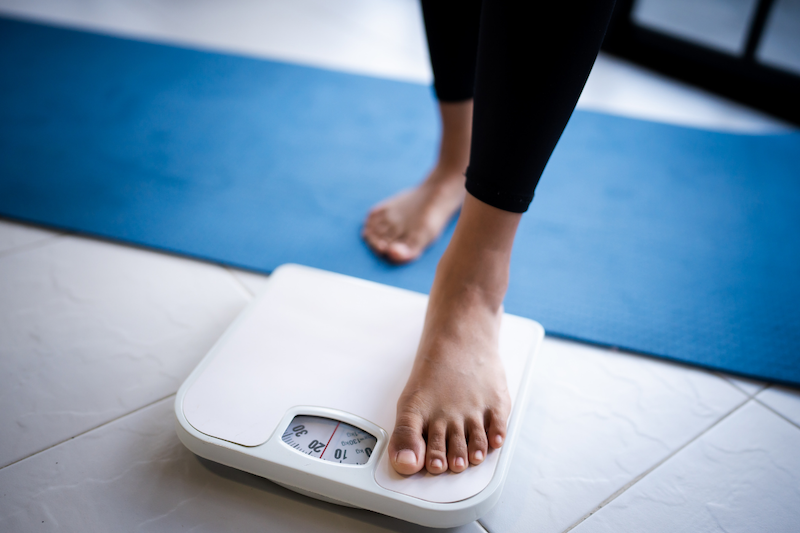
This is an important starting point because it relates to the possible connection between weight and fertility. It has been known for a long time that obesity is linked to infertility. Modest weight loss has been associated with improved fertility outcomes. However, the details here are more complicated.
The underlying reason for this relationship is that women with obesity are less likely to ovulate regularly. This is likely a result, at least in many cases, of PMOS (formerly known as PCOS), which has an elevated risk of both obesity and infertility. Weight loss among people with PMOS in particular has been shown to prompt ovulation; this is part of the reason that GLP-1s have been associated with improvements in fertility in this population (although current guidance is to stop GLP-1s at least four to five weeks before trying to conceive).
The takeaway here: if someone is not ovulating (for any reason!), that needs to be addressed for fertility. In some cases, weight loss can help, and that’s something to explore. But in the absence of this underlying health issue, weight itself is not something to target.
Community Guidelines








Log in