




 Get access to over 1,300 articles and reader Q&As



Postpartum recovery can be a challenge. Labor and delivery are intense, no matter what they look like, and it takes time to heal. The situation is made more challenging by the fact that it can be hard to share the truth. You have a new baby — shouldn’t you be happy and feeling great? When people ask how you are, everyone wants to hear, “The baby is great! We’re so thrilled!” not “I’m dealing with third-degree tearing and a lingering fear that my vagina will never be the same.”
The fact that these things are not talked about makes many people feel like we are the only ones dealing with them, or we should just get over it. This simply isn’t true. And while I’m not necessarily suggesting we all start posting the details of our vaginal healing on social media (although I have no objections!), I do think the more we talk about this, the more we do a service to all of us.
One of the most common childbirth injuries is vaginal tearing. Here: what is it, how common is it, and what (if anything) can you do to lower the risk?
What is vaginal tearing?
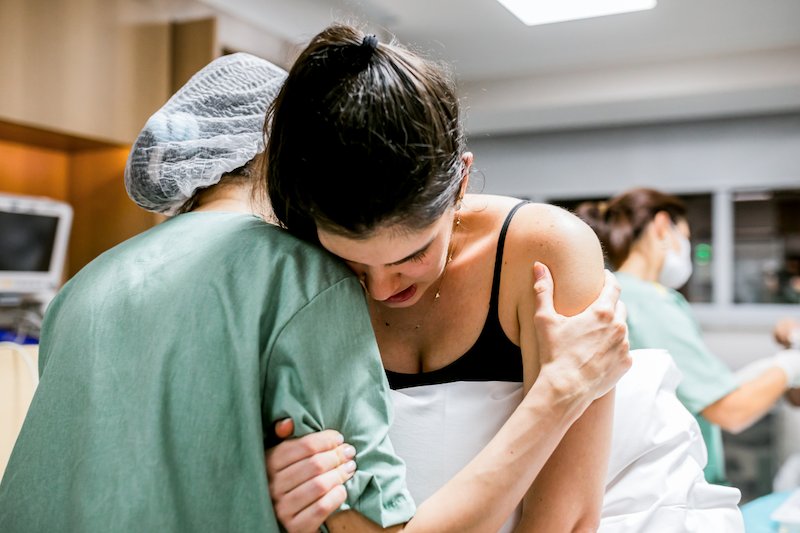
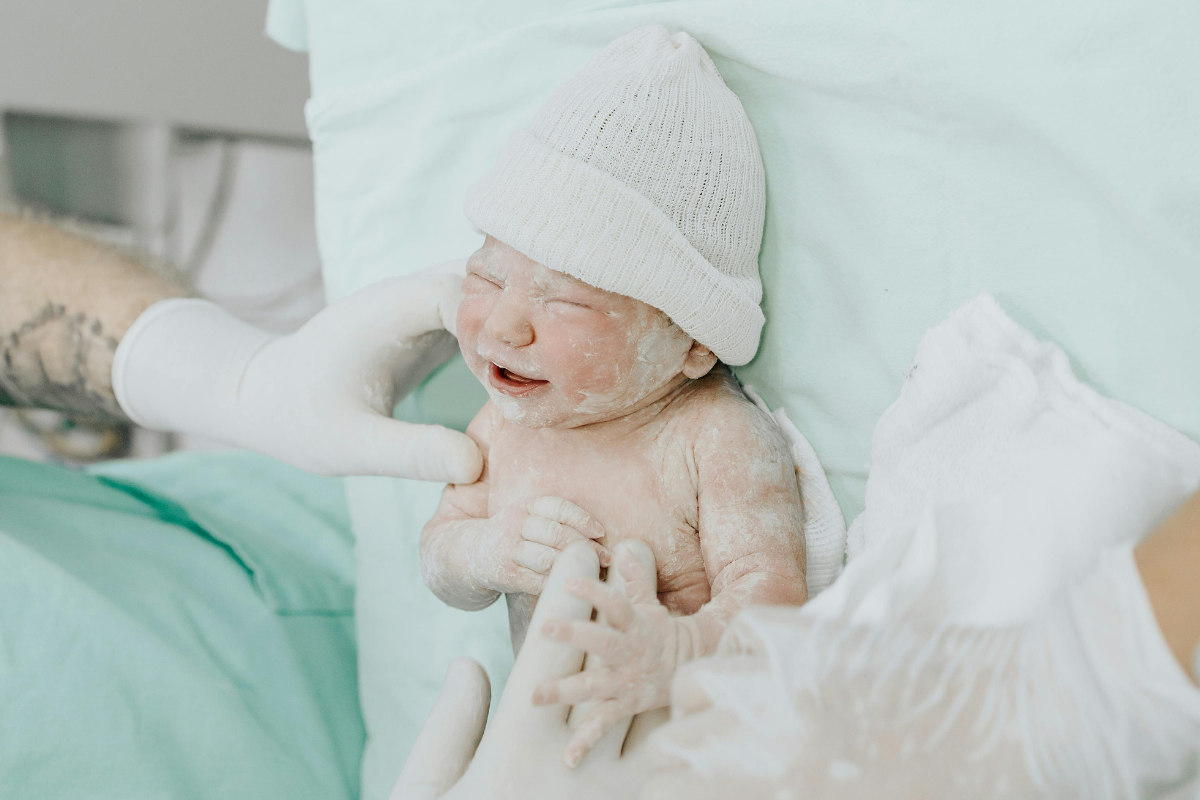
The baby has arrived. The delivery is over. The placenta is out. If the birth went as expected, they’ll likely let you hold the baby and perhaps encourage you to try to nurse. In the meantime, the doctor will be working on repairing things.
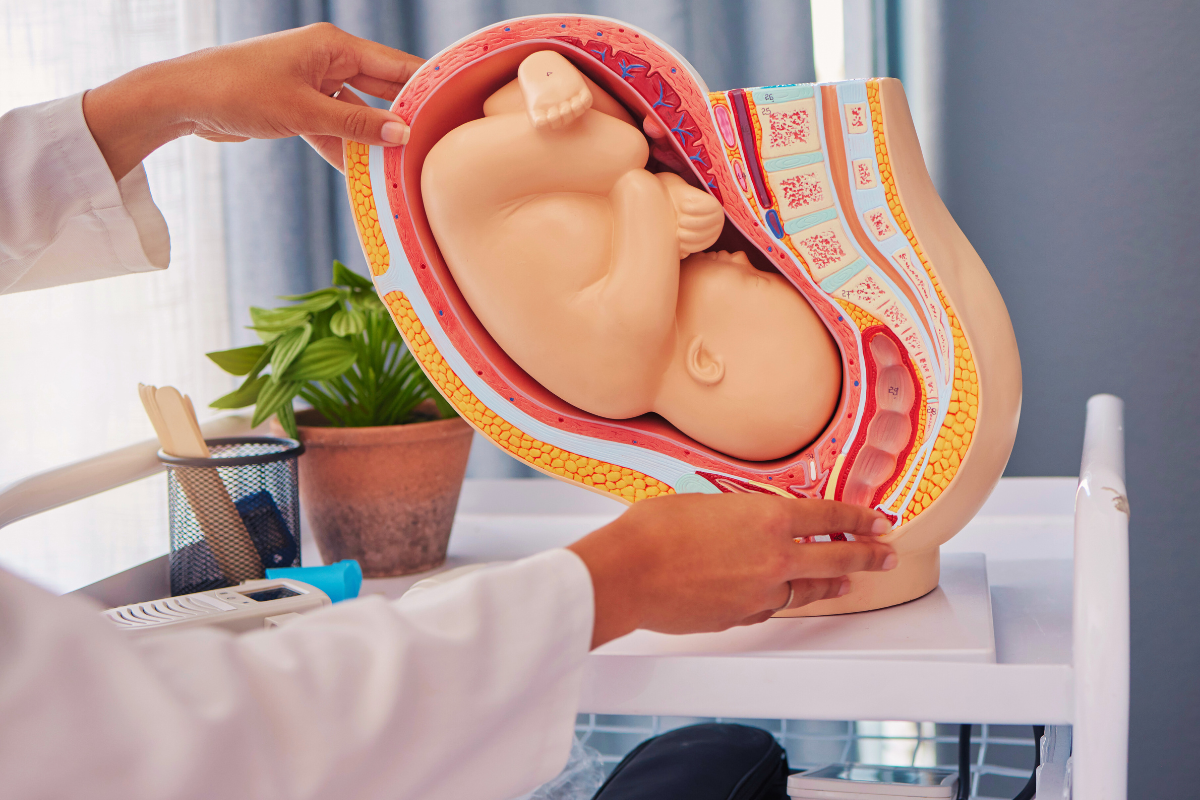
If you’ve had a C-section, your doctor will stitch up the incision and dress the wound. This is typically a straightforward process, and similar from woman to woman. With a vaginal birth, there is more variation, largely due to differences in the degree of vaginal tearing. This tearing most frequently involves the perineum, the area between the vagina and anus, but you can also have tearing in the direction of the clitoris. It’s also possible to have small tears in the labia, which are usually superficial.
The degree varies widely from woman to woman. Some women do not tear at all, but this is unusual: in first births, about 90% of women have some kind of vaginal tearing. The degree of tearing is ranked from first to fourth degree:
- First-degree tear: A small injury to the most superficial layer of tissue in the vagina and perineum. This is minor tearing, which heals well on its own with no stitches.
- Second-degree tear: Slightly larger and deeper than first-degree, extending into the vaginal and perineal muscles. There is more involvement of the perineal muscles, but the tear doesn’t extend to the anus.
- Third-degree tear: A tear that extends from the vagina and involves the anal sphincter (the doughnut-shaped muscle around your anus), involving both the skin and muscle tissue.
- Fourth-degree tear: A tear that extends from the vagina, entirely through the anal sphincter, and then into the rectum.
First-degree tears usually do not require stitches, and second-degree tears may or may not. Third- and fourth-degree tears must be repaired with stitches, which will dissolve on their own after a few weeks. Depending on the degree of tearing, the repair can take quite a while. If you’ve had an epidural, you should not feel the stitching. If you did not have an epidural, it’s common for the doctor to use a local anesthetic.
How common is severe tearing?
Most tears are on the minor side. In one large study, only 7% of tears were more serious third- and fourth-degree. These are the ones that have more potential for long-term issues, given the involvement of the anal sphincter, which is the muscle needed to hold in your gas and stool. They are sometimes collectively referred to as OASIS, for obstetrical anal sphincter injuries.
More severe tearing is more common with instrument-assisted delivery (that is, delivery with either forceps or a vacuum), more common for first babies, and more common if the baby is very large.
Can you prevent tearing?
There are many factors that influence vaginal tearing that are out of your control, including the size of your baby and how quickly the second stage of birth progresses.
There is one common approach to prevention, which is perineal massage: basically, manual stretching of the vagina either during later pregnancy or during labor. The evidence on the use of this approach during pregnancy is somewhat mixed — some studies find improvements in perineal injuries, some do not. There is stronger evidence of a reduction in tearing when this is used during labor. In a meta-analysis of nine randomized trials, researchers found a 50% reduction in the risk of severe trauma with vaginal massage during labor.
What does recovery look like?
If you do have some vaginal tearing, you’re likely concerned about recovery. A first question: will it hurt to pee or poop?
The answer to this is yes, at least to some extent. Some stinging and pain are common with urination, especially if you are dehydrated and the urine is more concentrated. At many hospitals, they’ll give you a squeeze bottle of water, the idea being that you spray water on yourself while you pee so the urine is diluted and not as painful — pro tip: use warm water.
Discomfort while pooping is also common, especially with more severe tearing. It is common to give women a stool softener or laxative to make this a bit easier. For many people, the main discomfort is in wiping, since you may have vaginal tearing or simply irritation. For this, you can use the peri bottle they give you post-birth. Fill this with warm water and use that to accomplish at least some of the clean-up. This can be easier on you than toilet paper. If you have had serious vaginal tearing — third or fourth degree — you may want to talk with your doctor more about how to be careful with any stitches and how to clean most effectively.
For most women with first- or second-degree tears, the tear heals relatively quickly, and, aside from one to three weeks of soreness, usually has no lasting effects. For women with a third- or fourth-degree tear, the recovery might be similar to a first- or second-degree tear, but often it is more painful and takes longer to heal. This is normal.
A small percentage of women with third- or fourth-degree tears have persistent issues, such as pain, as well as weakness of the anal sphincter, causing a decreased ability to hold in their gas or stool, and these issues are clearly very significant. For this reason, anyone with severe tears needs close follow-up after birth, and if there are any issues, even slight, they should be addressed quickly. Some women will benefit from pelvic floor physical therapy, others simply need more time, and a small percentage will need surgical procedures to strengthen or reconstruct the anal sphincter.
What about next time?
First, some good news: severe tearing is less likely in second or later pregnancies. In the UK data, only 2.7% of later births involve third- or fourth-degree tears, compared to 7% of first births.
If you had a severe tear previously, your risk is elevated, particularly for a fourth-degree tear. In that case, a C-section is an option for your next delivery. It is the most reliable way to prevent another severe tear.
The bottom line
- It is common to have some degree of vaginal tearing after your first birth. Most tears are on the minor side, but they can extend into or through the anal sphincter and even the rectum.
- There are many factors that influence vaginal tearing that are out of your control, including the size of your baby and how quickly the second stage of birth progresses.
- Preventing tears with perineal massage has mixed evidence for success, but it can’t hurt.
- Recovery from vaginal tears usually involves short-term soreness and discomfort with peeing or pooping. While most first- and second-degree tears heal quickly, more severe tears can require longer recovery.
- In general, tearing is less likely and less severe in later pregnancies than in first pregnancies. If you had a severe tear previously, the risk is elevated, and a C-section is an option for future deliveries.






Log in
Hey Emily –
Thanks for the informative article. I would find it helpful if you added a section not just about pooping / peeing, but sexual enjoyment after a tear. I’ve heard a lot of women find penetrative sex too painful to endure after a tear – sometimes permanently. Is there any data available around that, or is the subject too taboo to research currently?
I had a little bit of that after second degree tear from first baby, which lasted a while. I do think it was more due to the stitching, though. The vagina just gets…let’s say shorter? Or shallower maybe. So it makes it feel different and achy. Eventually, it did feel better.