







When our family moved to Barcelona, the only person I knew there was a single friend of a friend. I was also working from home and didn’t have anyone in my new life that I considered a friend, aside from my wife. Four months later, my son was born.
Looking back, I can see a clear link between my feelings of loneliness and my paternal postpartum depression. Yes, I had friends elsewhere, and yes, once I opened up and shared that I was struggling, they were a huge support. But I didn’t need dozens of peer-reviewed papers to know I needed friends in the city where I lived.
In 1982, social psychologists Letitia Peplau and Daniel Perlman described loneliness as the gap between the social connections you would like and those you feel you have. If you sit with the word loneliness, even for a minute, you’ll begin to feel its effect; for someone to be alone, against their will, feels like cruelty. There’s a particular flavor of loneliness a parent can feel, where there is evidence of people everywhere you look, but you can’t help but feel alone. “Loneliness is the suffering of our time,” wrote Thich Nhat Hanh. “Even if we’re surrounded by others, we can feel very alone — we are lonely together.”
And for fathers, loneliness can hit particularly hard, with very real consequences.
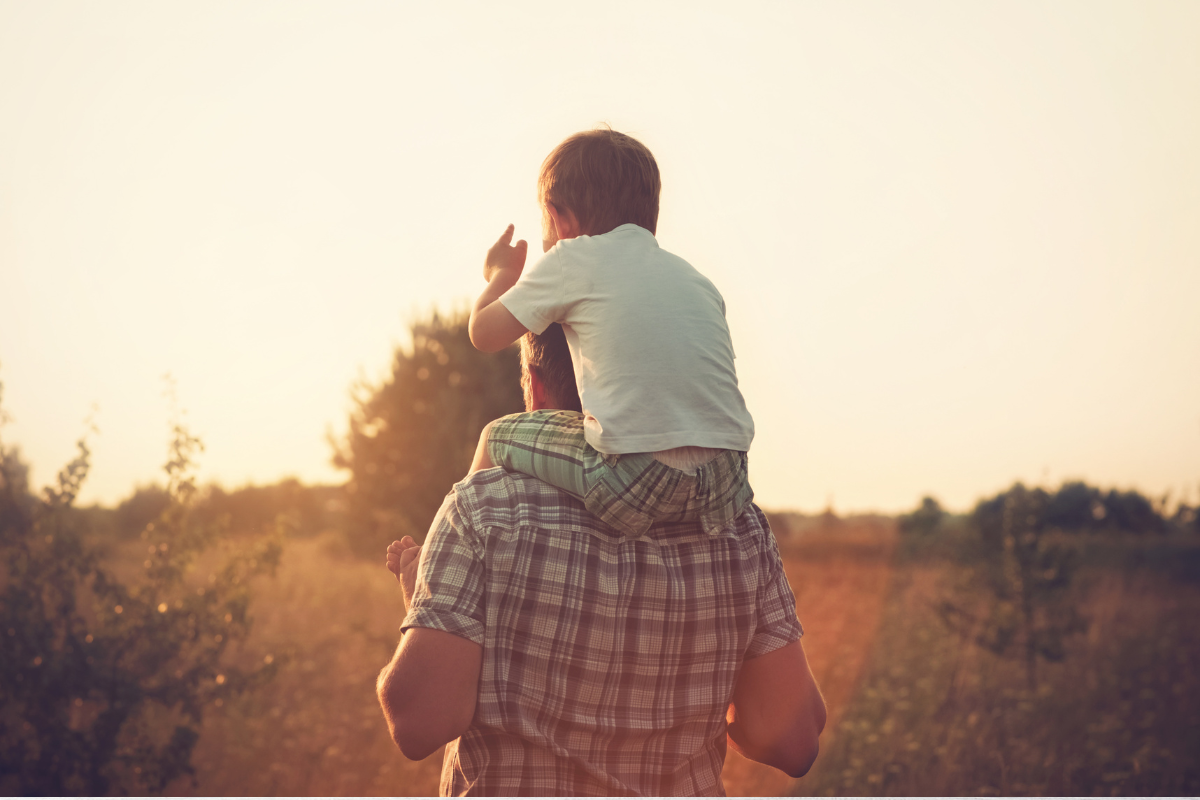
Why new fathers feel it most
You’ve no doubt read about the “male loneliness epidemic.” The picture is more complicated than the headlines suggest — and, I’d argue, more worrying.
Across recent surveys, men report feeling lonely at similar rates to women, and age turns out to be a far better predictor of disconnection than gender. The problem, as writer Derek Thompson recently put it, is that men aren’t feeling lonely enough: we’re spending more time alone than at any point on record, yet the alarm bells aren’t ringing. Loneliness is a biological cue — the social equivalent of hunger — designed to nudge us towards other people. But too many of us have learned to ignore it or override the warnings with the various screens at our disposal. The isolation is real. The feeling that’s supposed to fix it has gone quiet.
The share of men with at least six close friends fell by half between 1990 and 2021. In that same study, 15% of men reported having no close friendships at all. It may not come as a surprise that studies consistently find men less likely than women to rely on friends for emotional support or to share their personal feelings with them. We’re generally not the best at asking for help.
The ripple effects are clear: social isolation is linked to increased rates of anxiety, depression, and suicide and poorer health outcomes. In 2023, the U.S. Surgeon General’s advisory put it in terms nobody could ignore: insufficient levels of social connection mean a mortality impact comparable to smoking 15 cigarettes a day.
Now, on top of all this, try becoming a dad.
Welcoming a baby into your world can kickstart a fundamental deconstruction of core aspects of your life — your sense of self, your shifting understanding of purpose, changes in dynamics of key relationships, an altogether alien structure and routine — which means saying goodbye to aspects of “the old days” you may have taken for granted. Like the spontaneity of a drink after work with a friend or a date with your partner.
Suddenly, it’s all different. You enter a stage of life where your free time is more limited than ever, and the spaces built for new parents — the playgroups, the baby massage classes, the WhatsApp threads humming with nap schedules — skew heavily towards moms. A new dad walking in alone can feel like he’s wandered into someone else’s party. So most of us don’t go looking for one.
This imbalance compounds: when one parent comes home from the playground with new connections and the other comes home without them, the partner who found a community becomes the one who carries it — the default contact for every other family, the keeper of the social calendar, the one who will always have to find another parent to call. The isolation isn’t just the father’s problem to solve. It’s a weight the whole family ends up carrying.
The good news: more and more men are now recognizing the need for their own spaces where they can connect and learn to flex new emotional muscles. And if those spaces don’t exist, men are building them for themselves.
The power of male vulnerability
As stigma begins to reduce around male mental health — albeit not nearly quickly enough — men’s circles are becoming more widespread and socially acceptable as we begin to prioritize emotional well-being over archaic archetypes of social isolation. We are finally learning to bring things up, rather than push them down.
In the U.K., professional rugby player Luke Ambler started ANDYSMANCLUB after his 23-year-old brother-in-law died by suicide. Starting in 2016 with nine men in a room in Halifax, it now runs around 370 groups where close to 7,000 men show up every Monday night, working through the same five questions. The first is simply how’s your week been? The format does the heavy lifting: nobody has to decide to be vulnerable; the structure decides for them.
But not everyone wants to sit in a circle and open up. Author Richard Reeves has been making the case for more dedicated male spaces where men can practice “shoulder-to-shoulder” activities, working from the insight that while women will sit face-to-face over a coffee, men tend to need an activity as the excuse to gather. The Men’s Sheds movement, started in the 1990s in Australia, understood this decades ago: gather under the guise of woodwork, and the talking takes care of itself. Today, there are more than 3,300 sheds, spread across 15 different countries.
All of these groups build on ” the vulnerability loop,” a term created by Harvard professor Dr. Jeff Polzer. It works like this: Person A takes the risk of being vulnerable — admitting a fear, sharing a struggle, or exposing uncertainty — and offers it to the other. Person B can reject this offer, switching the conversation to more neutral ground (“Great weather we’re having” or “Did you see the game last night?”). But if Person B accepts it, it creates psychological safety for them to reply in kind. This exchange of vulnerability creates trust and deepens connection in a self-reinforcing cycle.
For men — and especially fathers — this loop is particularly powerful because we’ve been conditioned to avoid vulnerability. But when one dad admits he’s struggling with his toddler’s tantrums, or confesses his fear that he’s not measuring up as a father, it breaks the facade of perfect parenting that so many of us work diligently to maintain. The relief is palpable — suddenly, everyone can breathe easier and share their own challenges.
Building your Dadvisory Board
In my book, The New Fatherhood, I argue that men need to take our roles at home as seriously as our roles at work — and that we can do this by borrowing best practices of the business world and applying them to parenting.
One of these practices is the idea of a Dadvisory Board: a group of dads that you can lean on, depend on, and turn to in a moment of crisis. Here’s how to build one:
- Start with existing connections: Which of your current dad friends share a similar set of values with you? Sometimes the foundation is already there, waiting to be built upon.
- Find a local dad meetup — or start one: Check dadurdays.org and see if there’s a meetup near you. Can’t find the right group of dads? Start something yourself: start a group chat in your messaging app of choice, or stick a poster up in a cafe with a QR code, and find dads near you.
- Become a regular: Find a third place that aligns with your interests and commit to showing up consistently. It could be the same coffee shop every Saturday morning or the same climbing gym every Thursday night.
- Practice vulnerability in small steps: Which friends might respond to a “vulnerability bid” and go deeper? Test the waters — mention a parenting challenge you’re facing, and see who responds with understanding and opening up, rather than shutting the conversation down.
- Extend specific invitations: Rather than the vague “we should grab a beer sometime,” try “I’m heading to [place] on Thursday at 7 p.m. if you’d like to join.” Specific invitations are easier to respond to.
- Use your children as an excuse: Your kids’ friendships can be a natural bridge to other parents. Suggest a playdate where dads stay and hang out while the kids play.
Building a Dadvisory Board is a marathon, not a sprint. Dads will come in and out. Quality connections take time to develop, but the investment pays enormous dividends for your mental health, your relationship with your children, and your overall quality of life. And if you’re the partner of a dad, hoping to help, remember: you can’t build his board for him, but you can make it buildable. Encourage him to build this community, to protect the monthly meetup in the calendar.
What I’ve realized, again and again, is that if you wait for the negative feelings to arrive, you’re already too late. This Father’s Day, start to shore up the support systems you’ll need tomorrow, and remember: whatever you’re going through, there are dads out there who’ve been through it too and are ready, willing, and able to help.
Community Guidelines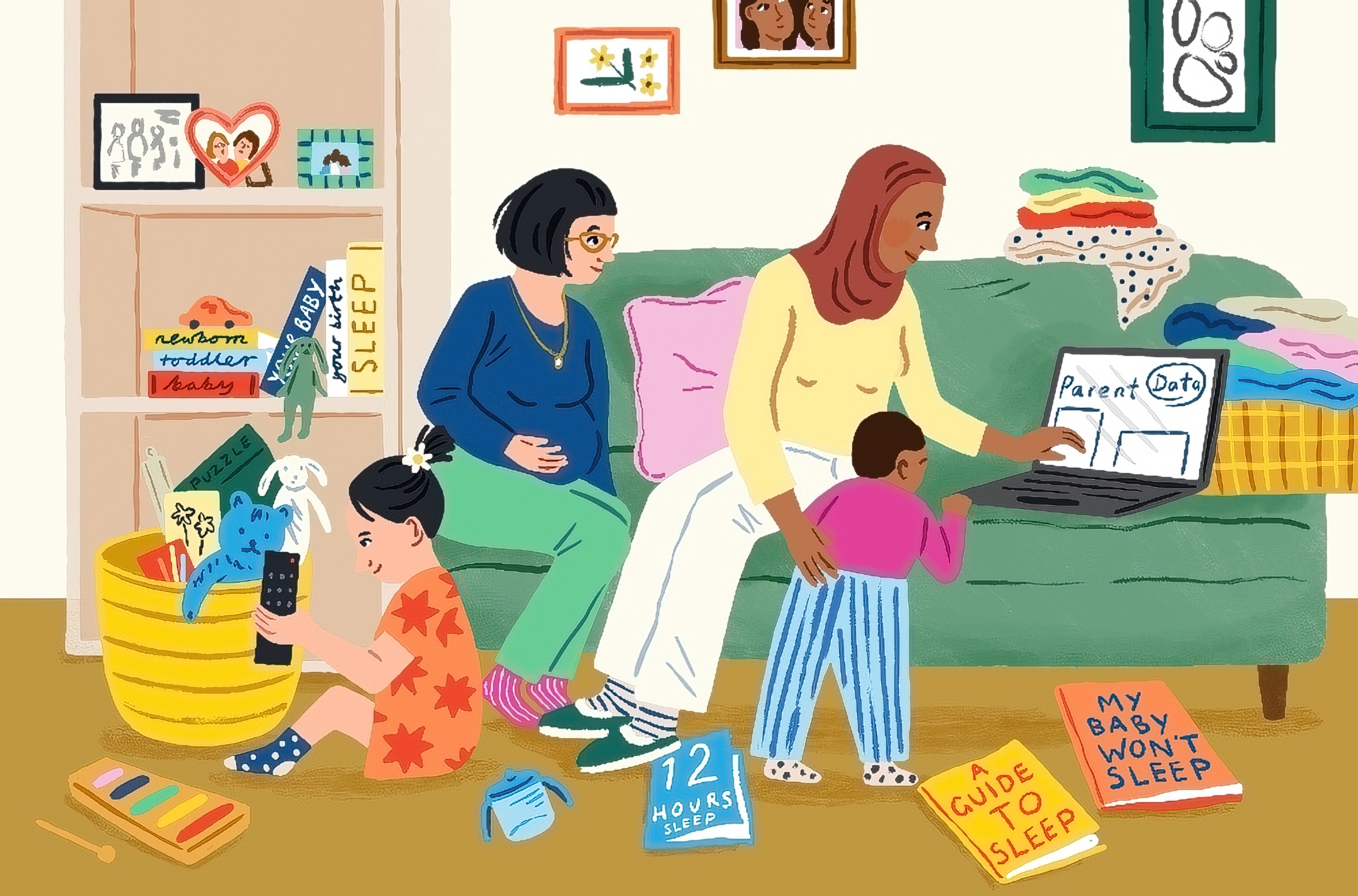




Log in