







GLP-1s are everywhere; everyone is talking about them. The other day, my father emailed to ask whether they are bad for your tendons — he’s not on these medications, nor does he have any tendon issues. GLP-1s are just … universal. And with that, there are questions.
Many of you — especially if you are thinking about taking or are on these drugs — are likely familiar with the top-line impacts on weight loss. But at this point, I get many more specific questions: Do the drugs work for other conditions? Are there known risks? What about muscle loss? Are there any benefits to “microdosing” GLP-1s? (And what is microdosing, anyway?)
This is a new space, so many of the answers to these questions are still incomplete, but I’ll aim here to give an overview of what the data says. I’ve included some quick links below so you can skip to your specific concerns if you do not want to read this from start to finish. And if you’re primarily interested in these medications in relation to fertility, pregnancy, and breastfeeding, I wrote about that here.
What are GLP-1s, and how do they impact weight loss?
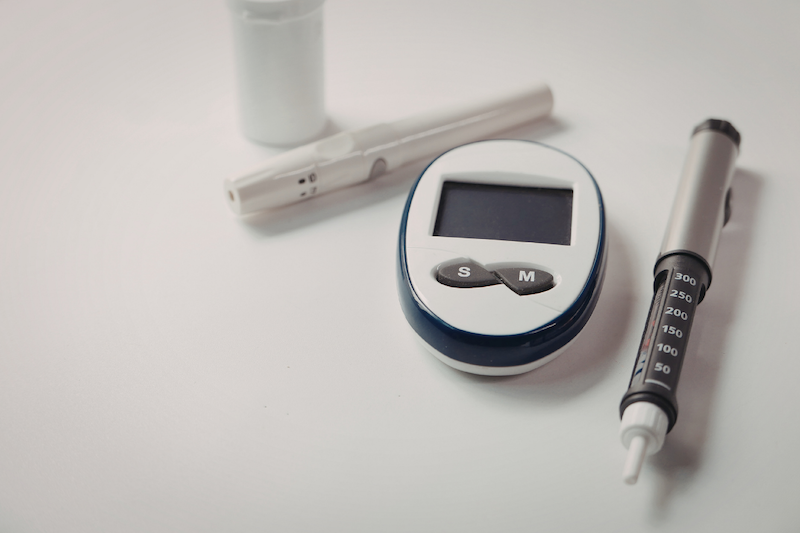
Big picture: GLP-1s are a class of peptides that, when injected or ingested, affect hunger (among other things). They have been used for many years in individuals with diabetes because they improve insulin control, and doctors often observe substantial weight loss. Within the past several years, advances in dosing — moving from daily to weekly injections — have made them more widely available, and they are now available to treat obesity directly.
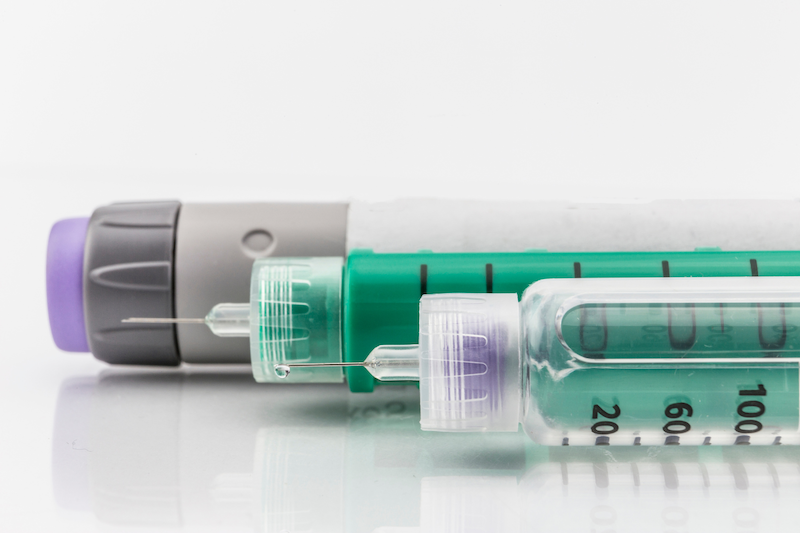
For weight loss in particular, the primary medications used are Wegovy (drug name: semaglutide) and Zepbound (drug name: tirzepatide). These are both once-weekly injectable medications. In early 2026, the company Eli Lilly will launch a new oral semaglutide, which comes in a daily pill. Based on randomized data, these medications are extremely effective for weight loss. (For context: Ozempic and Wegovy are the same drugs with different dosages. Ozepmic is approved for diabetes and Wegovy for weight loss; similarly, Mounjaro and Zepbound both have the same active ingredient with different indications.)
In the STEP 1 trial, people taking semaglutide (Wegovy) at 2.4 mg weekly lost about 15% of their body weight over 68 weeks, compared to roughly 2–3% in the placebo group. Tirzepatide (Zepbound) looked even better in the SURMOUNT-1 trial, with average losses of 15–21% depending on dose. A head-to-head comparison showed greater weight loss with tirzepatide than semaglutide — 20% versus 14%.
Weight loss with the new oral form of these medications seems to be a bit smaller — more like 10% in initial trials — but the science is moving fast, and new versions of these drugs are being developed all the time.
The upshot: these drugs are very effective and are likely to be increasingly widely used for weight loss and related metabolic conditions. But you probably knew all this already! On to the details.
Frequently asked questions
Here are some of the most common questions I get about GLP-1 drugs.
Once you start taking a GLP-1, can you ever go off of it?
This is perhaps the number one question on people’s minds: Is this a life sentence? Once you go on a GLP-1, are you on it forever?
In the randomized trial data showing efficacy of these medications for weight loss, the data also point clearly to weight regain after going off these medications. Based on meta-analyses, researchers estimate full weight regain within a year or two. This is consistent with the broad phenomenon of weight regain after dietary trials.
This suggests that abruptly stopping GLP-1s, which is what is being tested in these trials, will reverse at least some (possibly all) of the weight loss. Having said that, in actual use, many doctors and patients are more slowly titrating their patients to a lower dose for weight maintenance. Patients do stay on the medications, but at a very low level. However, this slower dose may make it possible for patients to stop taking it completely at some point.
This is an area I expect us to learn much more about over time. Initial trials are always going to focus on a high dosage and the most extreme on-off schedule because that is the most direct way to test things. But that doesn’t necessarily reflect the usage that occurs in practice.
Are there other health benefits of GLP-1s?
There is evidence from randomized trials that GLP-1s improve heart disease and general cardiovascular health. Much of this is simply a result of weight loss, although the data suggests the effects may be larger than explained by weight loss alone. These medications are also effective for type 2 diabetes (the original purpose of the drugs), and there is some early suggestive evidence for the treatment of liver disease.
Researchers are actively exploring other potential uses for these drugs. For example, some data suggests they may be effective in treating alcohol use disorder. The mechanism for this isn’t entirely clear, but it would be consistent with reports from many people who take GLP-1s for weight loss and report reduced interest in alcohol.
Trials are underway to look at these medications for a huge variety of conditions — cancer, drug use, and so on. Over time, we should expect to learn more about their impacts. It will continue to be difficult, however, to evaluate the degree to which these impacts are simply due to weight loss.
Do GLP-1s cause muscle loss?
When people lose weight — in any way — they lose both fat and muscle. So by extension, weight loss with GLP-1s does result in loss of muscle as well as loss of fat. The literature overall suggests the degree of muscle versus fat loss is not different with GLP-1s than with weight loss through other methods. However, the degree of weight loss with GLP-1s is often much higher than through other methods, so overall muscle loss may be greater (along with overall fat loss).
Retaining muscle while losing weight, in any way, generally means prioritizing enough protein and doing some strength training (you might also try creatine as a supplement). None of this will prevent all muscle loss, but it may limit the degree.
What do we know about possible long-term effects?
One of the crucial concerns raised about GLP-1s, especially if we think people are likely to stay on them at some dose for a long time, is whether there are risks of long-term usage. If someone is on one of these medications for many decades, is that a problem?
The obvious answer here is that we cannot know for sure. Widespread use of these medications for weight loss is relatively recent. Having said that, these medications have been in use for diabetes for almost 20 years, and we do not see concerning signals. And obviously, there are many other medications that people do take for decades, so this isn’t the first medication that people would take indefinitely.
Can you lose too much weight on these?
Obviously, yes. There are people who take GLP-1s who do not have any medical need and who lose too much weight. It is important, even with a medical need, to ensure you’re getting adequate protein and calories for your body to function properly. These are all issues to discuss with your doctor if you choose to be on these medications.
What’s this I hear about microdosing?
“Microdosing” of GLP-1s is not a formal medical approach. However, people often use this term to describe taking GLP-1 medications at a lower-than-standard dose. This is sometimes done after someone has been on a medication and wants to step down to a lower dose. People may also self-dose with GLP-1s, either because they want to space out medications to spend less or because they are using these medications for non-approved purposes like improving focus.
This is a complicated landscape. Dosing outside of the normal schedule can only be done with medications that are purchased through compounding pharmacies — a pharmacy that prepares medication onsite to meet your specific needs (like Ro). Changes to doses of prescribed medications should only be done under the supervision of a doctor. The roll-your-own approach to weight loss medications isn’t recommended, and you should never take someone else’s prescription. Just like you wouldn’t use someone else’s statin, you shouldn’t use their Zepbound. Not even a microdose of it.
Is a GLP-1 right for you?
In the broad summary, GLP-1s are medications intended to treat a medical condition — obesity, yes, or related metabolic diseases like heart disease or diabetes. If you have a condition for which these are effective, you should absolutely consider them. The safety and efficacy profile is excellent. Relative to virtually every other approach we have had to weight loss, these medications are more effective.
This doesn’t mean everyone should be taking one — if you do not have any of the above conditions, there is no reason to be on a GLP-1, and it probably isn’t a good idea.
The bottom line
- GLP-1 drugs are a class of peptides that have been used for many years to treat diabetes. More recently, they have been used for weight loss.
- Researchers are actively exploring other potential uses for these drugs (including treatment of liver disease, alcohol use disorder, cancer, and more), but right now there is little conclusive evidence beyond treating diabetes and weight loss.
- Once you start taking a GLP-1, you likely will have to be on it for a very long time (maybe forever) to maintain results, although the dosage may be much lower. Side effects from long-term usage are unclear at this point, but the medications have been used for decades, and there haven’t been any concerning signals thus far.
- If you have one of the conditions GLP-1 medications are designed to treat, you should feel comfortable taking them — they are safe and effective. If you do not have one of the conditions, it is not necessary, and you should probably reconsider.








Log in