






A hot-button topic for parents that I’ve been hearing a lot about: sleepovers. Many parents opt not to allow sleepovers due to the potential for risky decisions, loss of sleep, as well as bullying or abuse — especially sexual abuse. A child psychologist on TikTok said he has a hard-and-fast rule against sleepovers for these reasons. I was wondering if there is any data on the subject that could lead to evidence-based conclusions. Thanks so much!
—Ally
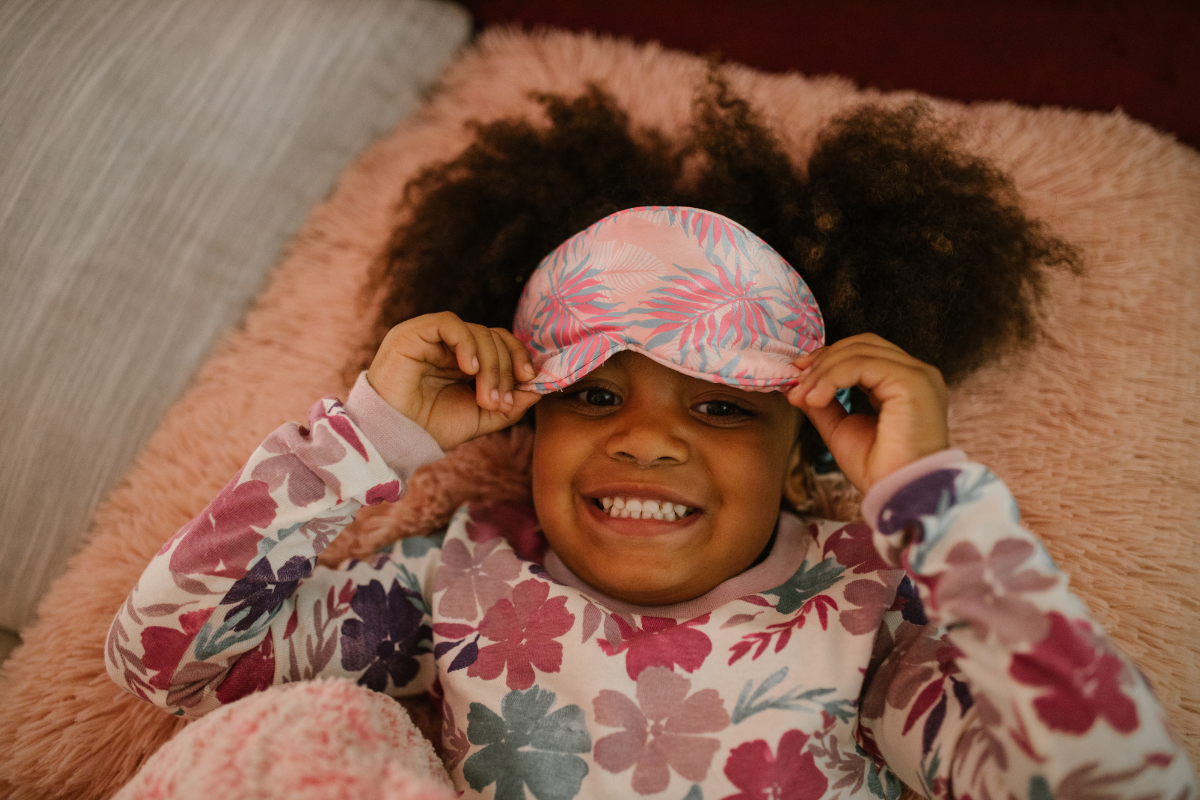
There is no direct data on either the risks or benefits of sleepovers. In part, this isn’t a well-defined question, since it would be hard to even define “sleepover.” If your child stays over at their cousin’s house, is that a sleepover? Or are we just talking about slumber parties with other kids? At any rate, there is no good data.
What we can do is try to put together some auxiliary data and use it in decision-making.
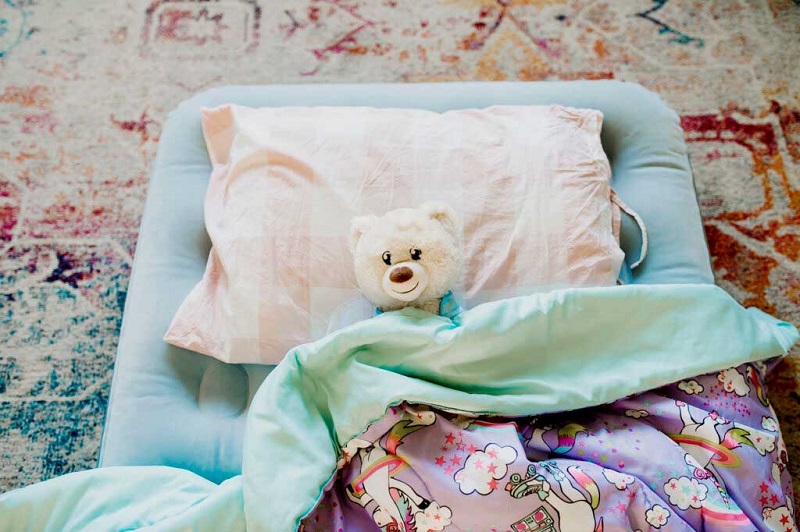
One piece of relevant data: sleep. We know sleep is important, and we also know that kids do not sleep as well at sleepovers versus otherwise. Having said that, we also know that people can catch up from limited sleep disruptions. Our kids get jet-lagged and recover. Once I accidentally gave 10-year-old Penelope highly caffeinated tea at 6 p.m., and she didn’t go to sleep until 2 a.m. She was very cranky the next day and did not do well on a math quiz, but a day or so later she was fine. My point being: sleep is very important, but you could weigh a night of missed sleep against the possible benefits of a sleepover.
Sexual abuse is a very real concern for many people. Unfortunately, by far the most common perpetrators are family members. This does not mean that it could not happen at a sleepover, but it is not the highest-risk environment children face. The advice here is more general: keep the lines of communication open with your children, and make sure that any environment they are in is one where you feel comfortable with the supervision.
Finally: bullying can happen at a sleepover, or it can happen in any other environment. When I wrote about it in The Family Firm, what I found most helpful was the data on what generates resilience. We cannot fully protect our kids from bullying, but evidence suggests that supportive family environments can make them more resilient to the bad mental health effects.
Sleepovers can be disruptive, and, yes, they can be hard. Some kids feel homesick. They can be a challenge. But they can also be really fun! And challenges are not all bad; fostering some independence in kids, having them feel like this is something they can do is potentially empowering.
Bottom line: as a parent, you may decide sleepovers are a pain in the butt. Or you may not. There is no concrete data to point you in either direction, so you’ve got to make your own mind up.
Community Guidelines




Log in