






What’s the data on shoulder dystocia? My midwife is recommending that I consider being induced early because of the risk that the baby is big, which could lead to shoulder dystocia. Any advice?
— Caroline
In a typical vaginal delivery, the baby’s head is delivered first, and then the shoulders and the rest of the baby come out fairly easily. However, in some cases, the baby’s shoulder can be caught on the mom’s pubic bone or (less commonly) on the sacrum. If the baby becomes stuck mid-delivery, this is called shoulder dystocia. It’s a serious birth complication that requires the OB or midwife to maneuver the baby or the mother’s position to get the baby out.
Diagnosis is somewhat subjective — it depends on how stuck the baby is — but it occurs in an estimated 1% to 2% of births in the U.S.
This sounds very scary, but in the vast majority of cases, it resolves without harm. An OB or midwife can maneuver the baby out, and everyone is fine. In some cases, though, there are complications, and it is good to be aware of the risks. For a baby, the most common issues are nerve injuries from the neck into the arm or fractures of the arm or clavicle. Fractures generally heal without any issue; in an estimated 2% of cases, there are long-term injuries from nerve damage.
For the pregnant person, the main concerns are hemorrhage (which is always a concern during delivery, but more so here) and anal sphincter tear. Both of these are uncommon overall but are more common with shoulder dystocia.
Given these potential serious outcomes, a reasonable question to ask is what can be done to reduce the risk? Unfortunately, these cases are not very predictable. The main risk factor is having a large baby — estimates suggest the risk for a baby over 8.8 pounds is 16 times higher than for one under that. Gestational diabetes and maternal obesity are also risks, likely related to fetal size. Prior shoulder dystocia also increases the risk; it’s about six times higher than a typical birth. But, still, only 7% of women who had dystocia with a prior birth have it with a subsequent one. Again, predictability is very limited.
Given the elevated risks with larger babies, ACOG recommends providers consider a C-section if the fetal size is estimated to be above 4,500 or 5,000 grams, depending on other risk factors. This is probably why your provider has raised this possibility. ACOG does not suggest early induction — meaning before 39 weeks — although many providers will induce at 39 weeks even without a concern about baby size, so that may be what they are suggesting.
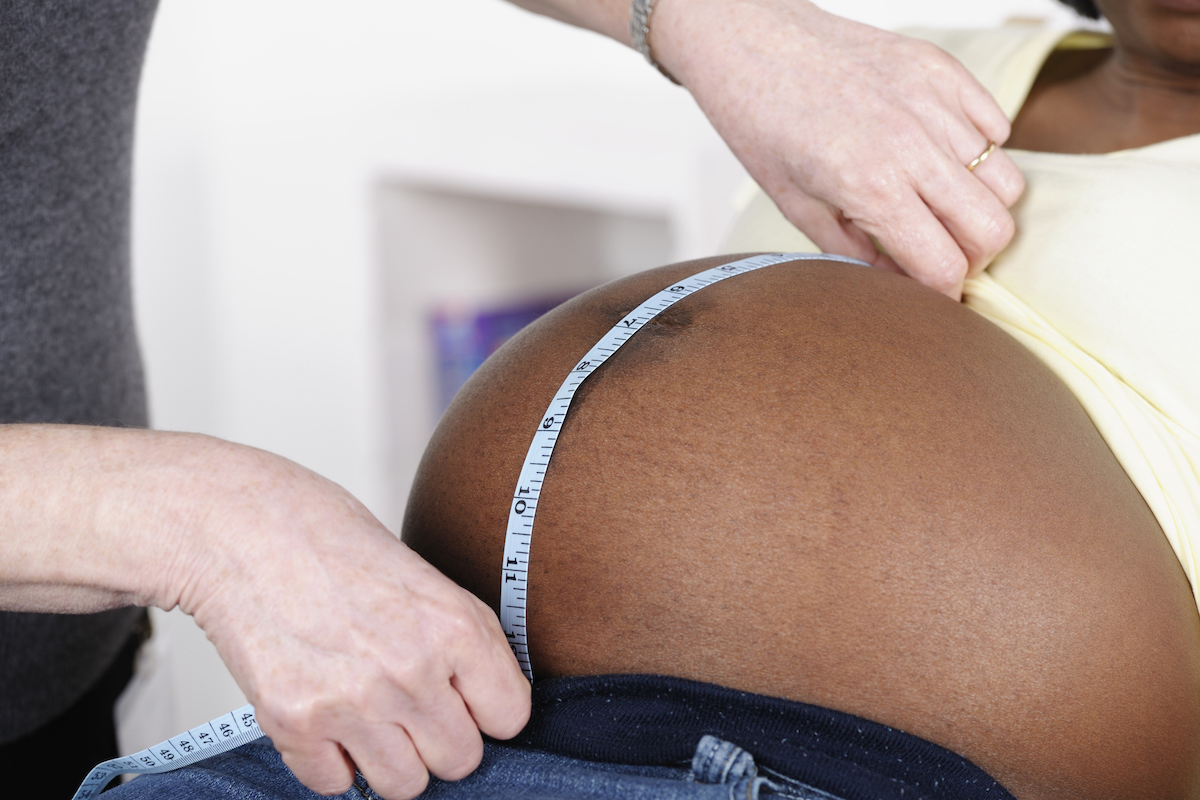
However, fetal size is notoriously difficult to evaluate, and even with a large baby, the risk of shoulder dystocia is small. C-sections also carry risks, especially if you are planning more children.
Bottom line: This is a concern, but deciding what to do about it in your case needs a nuanced conversation with your care provider.
Community Guidelines







Log in